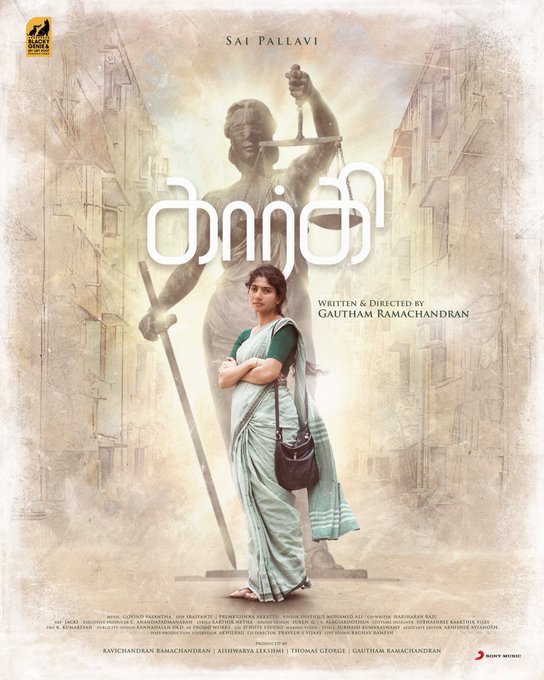
So Gautam Ramachandran’s Twitter bio reads, That kidnap scene in Fargo, When she falls down the stairs trying to escape…Thats when I knew I belong to Cinema. Now I can see where that Started with Fargo connect comes from. Also, one of the key characters is named Indrans Kaliyaperumal which is not only a tribute but also owns it by changing the last name placement. I did not expect to see such subtle tributes sprinkled over a movie like this. Likewise, the beautifully done “Inspired by” title card shows highlights of this passionate filmmaker’s mind-map. They now seem to me as a precursor to his fresh treatment of this familiar story template.

I loved how the movie opens: an out-of-focus student at a distance enters a classroom; then the camera moves left and we get into an exam hall. Here the ever-graceful Sai Pallavi as Gargi, a school teacher is invigilating the exam. Her presence and beautiful performance started right then with those minute expressions: observing the room, and taking a phone call. Could see the freshness in her Malar character being retained while she has beautifully matured as an actor.
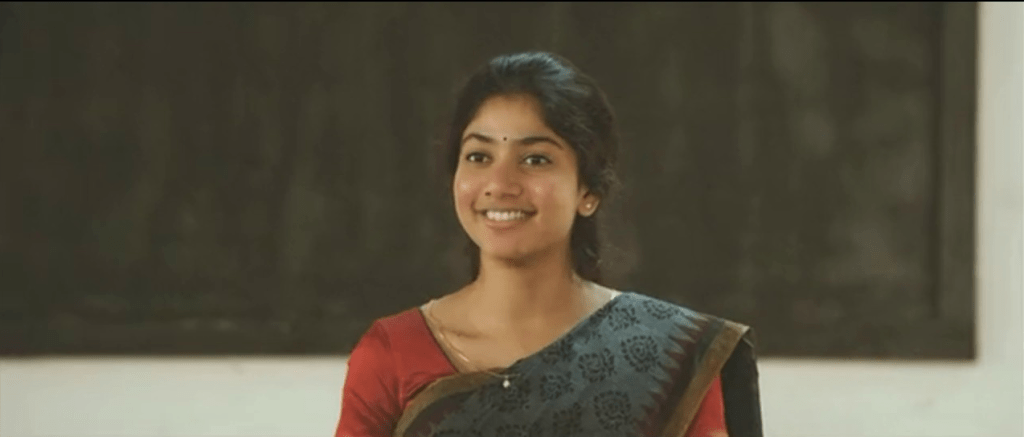
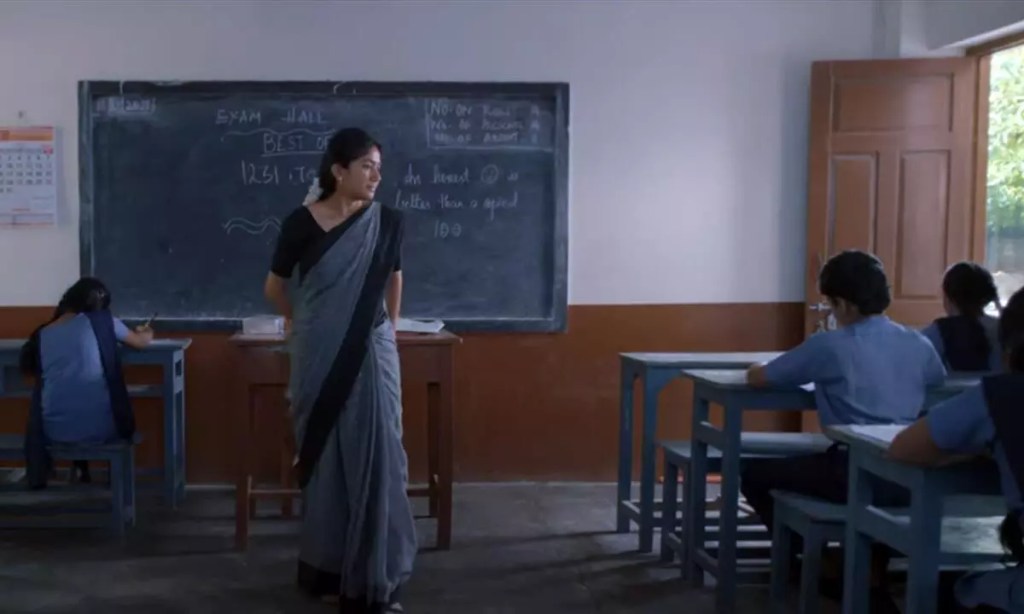
After last year’s Sivaranjaniyum Innum Sila Pengalum (Parvathi’s segment), this is another effective and aesthetic portrayal by an actor. I got the same AVM’s Penn vibe (Doodarshun series directed by Suhasini Maniratnam) that I got while watching Sivaranjaniyum… This is the kind of woman-centric movie we want where the “woman-centric-ness” is not on the face but on how she is placed in a well-written script (the system). Everything was so organic here. It did go into some of those Tamil cinema’s unlimited messaging service zone once in a while but thankfully the movie didn’t lose its focus.
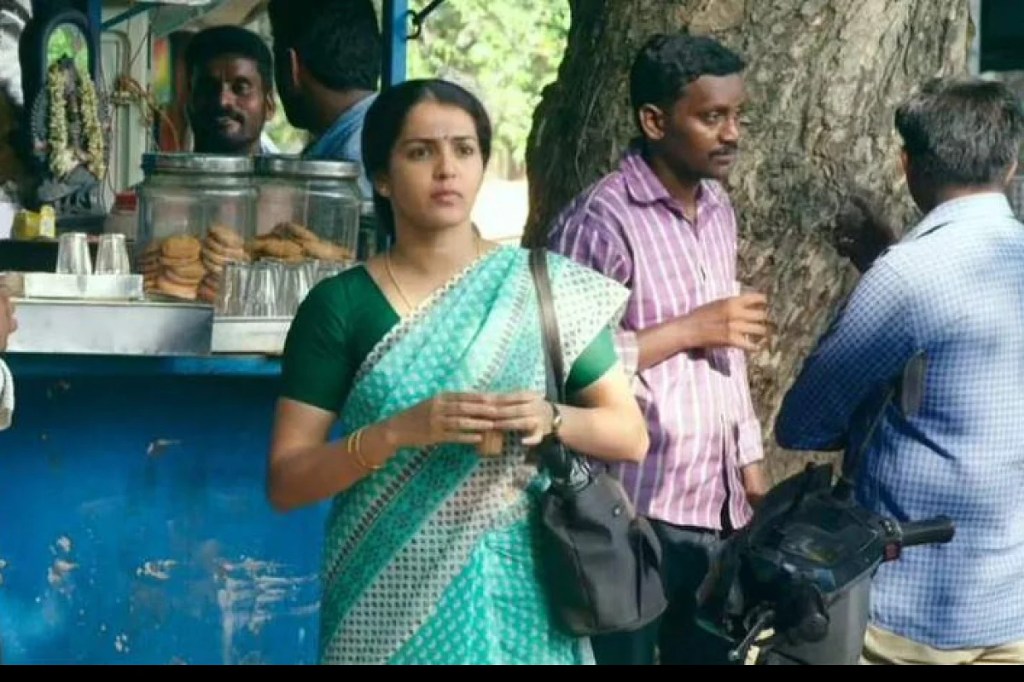
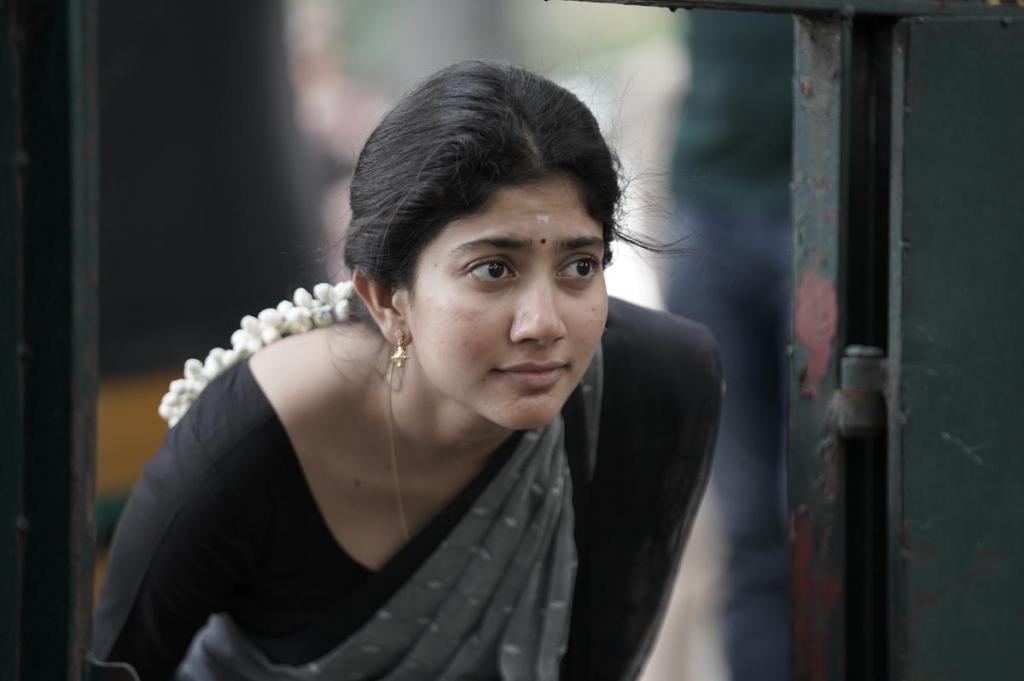
Everyone’s performance was great with Kali Venkat scoring the best.
Be it the court scenes or the Gargi-Indrans duo scenes (both their expressions when he is cracking a bad joke), they were so natural! I fervently look forward to these kinds of performances in a movie — like the ones you get out of an actor when the camera is not looking at him/her. The judge played by a transgender person, the actor who plays the police officer, Benix, and everyone give a really neat performance. And seriously again, a police officer who is named “Bennix Jayaraj”! — the movie kept giving more reasons to smile.
The execution of the court scenes breathes fresh air. The highly subtle clues, like we can say some kind of invisible clues in the background that were present all along lead to the reveal (of that fifth person) — the reveal that effectively smothers us and relieves us. And this has been done in such an immersive way, shown from Gargi’s point of view — the entire stretch of her getting some air in the auto as if she needs to hold her breath before diving into what she needs to go through; and then resurfacing after getting done with it. Accompanied by those background heartbeat sounds was an ironic note. What a finis!
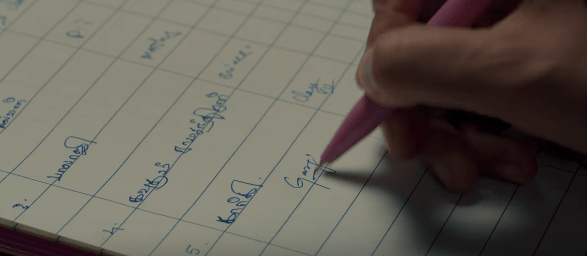
Another nice touch is when Gargi does not sign the register when she sets out to do the right thing, playing contrary to an earlier scene.
There is an interesting chord that connects the lives of Gargi and the small girl (the victim) that carries a similar pattern of events. And how uncomfortable it is to know that the protector figure in one case turns out to be the exact opposite in the other. And these two characters are interestingly shown feeding/petting a dog at different points.
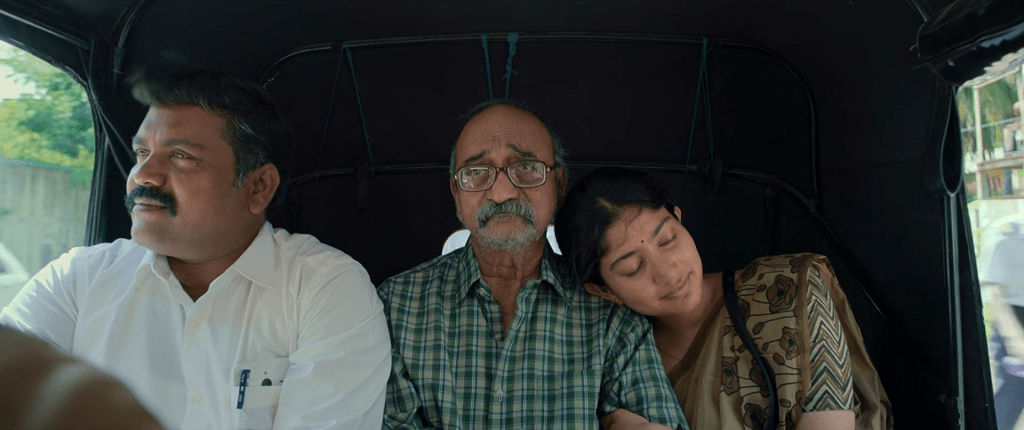
There are a couple of powerful shots when the trio (Gargi, her dad, and Indrans) are traveling in the auto beautifully conveying two different things.

The movie gets lots of silent moments and actions where the characters don’t speak much. They are very nicely done. I wish the violins didn’t play in the background in certain places. There are some sparingly-placed melodramatic moments. As much as the end credits scene had an interesting touch, it could have been done away with. And there was a lost-in-translation scenario with respect to Aishwarya Lekshmi’s characterization, overall. Some of the good moments were getting spoiled by clichéd closing dialogues. For instance, an excellent scene like Gargi questioning her mom about tradition, losing its sheen by that Naan Ponnu dhaane! dialogue. Also, when they were handling the transperson’s character so casually, to then step it down by an exchange of remarks between Kavithalaya Krishnamurthy’s character and the judge, was needless. When the screenplay was normalizing things beautifully, they could have done away with such jarring educative statements to close scenes.

But the complaints I had with this movie were very minimal. Overall this was more than a satisfying watch. Gautham Ramachandran’s treatment of a familiar story template comes across like a yellow color that beautifully pops into a black and white filter. When I think about filmmakers who take a done and dusted template and own it with their signatures — like our Kashyap to name a few.
 Cinema Paradesio