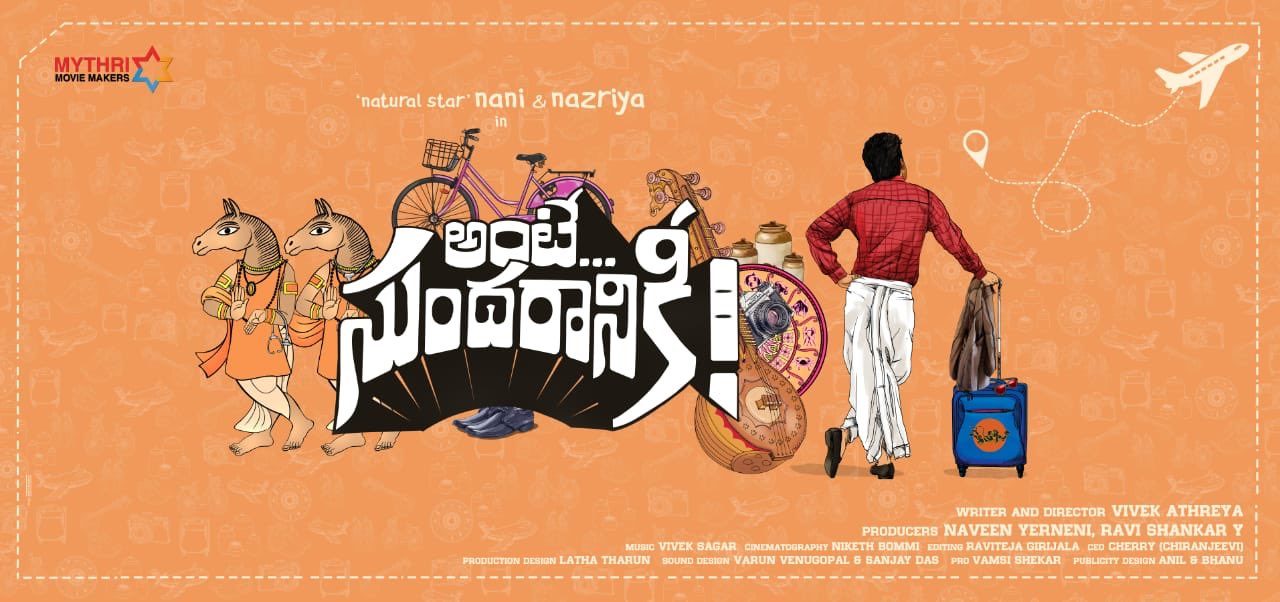
To put it in terms of this movie’s sensibility itself — I can say the stars aligned perfectly when all I wanted was a good regional commercial cinema on a weekend eve and feel at home. Hail the Thathasthu Devathas.
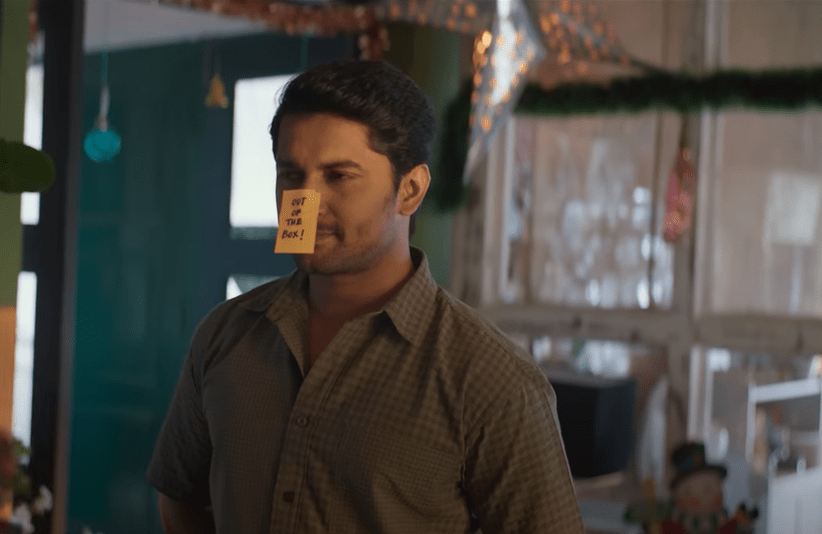
The screenplay, filmmaking, casting, and the performances from the lead actors (especially Nazriya) derive a refreshing output out of a familiar story/template The narrative in the first half branches out in every possible direction with the scenes jumping back and forth — like the kid running with the stroller suitcase all through the house, touching every corner, to just reach from point A to point B that are next to each other. Why? — For the kid, it’s that whole process of making those exciting detours rather than the destination itself. Vivek Athreya does the exact thing, making the whole process enjoyable. Just like how Sundar (Nani) gives a gift to Leela (Nazriya), a common gesture but with an “Out of the box” label.
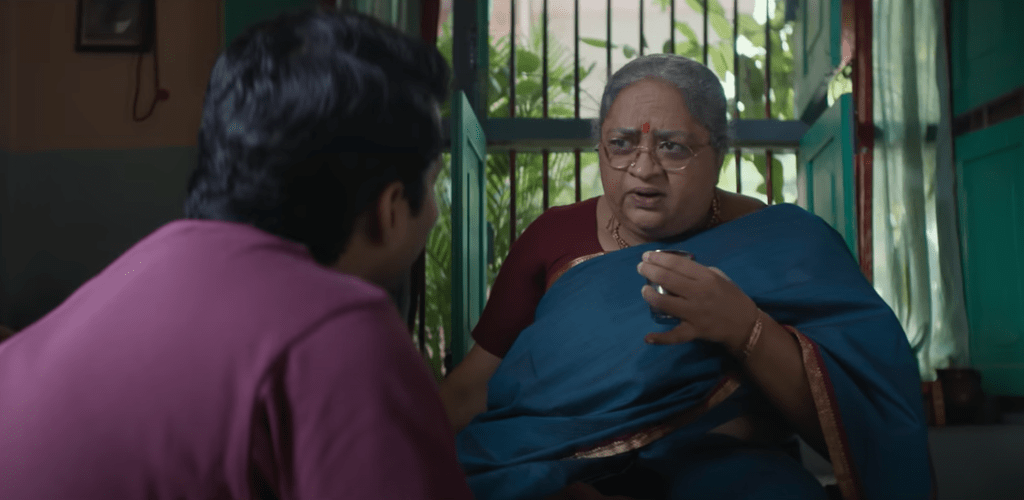
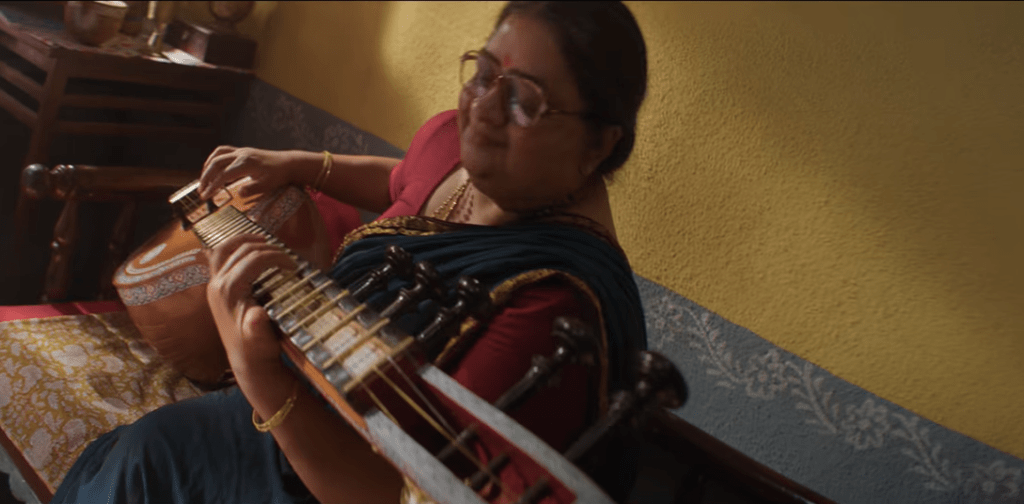
The supporting characters get established along the way like the important devathas. Sundar’s Grandmother (played by Dr.Aruna Bhikshu) in the movie — is a satirical callback to the Indian movie trope where happy music in the background reflects good things. It also holds a satirical punch in a way that when she is playing a piece of happy music on her Veena, it’s approval by the society.
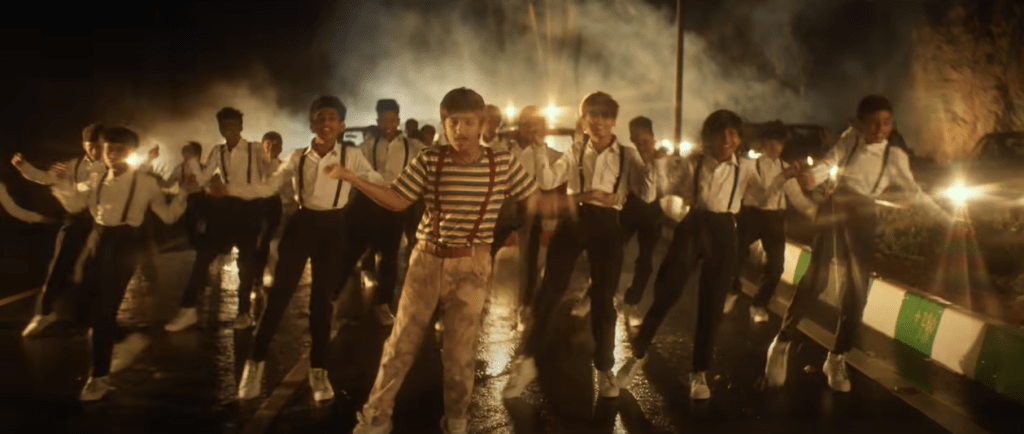
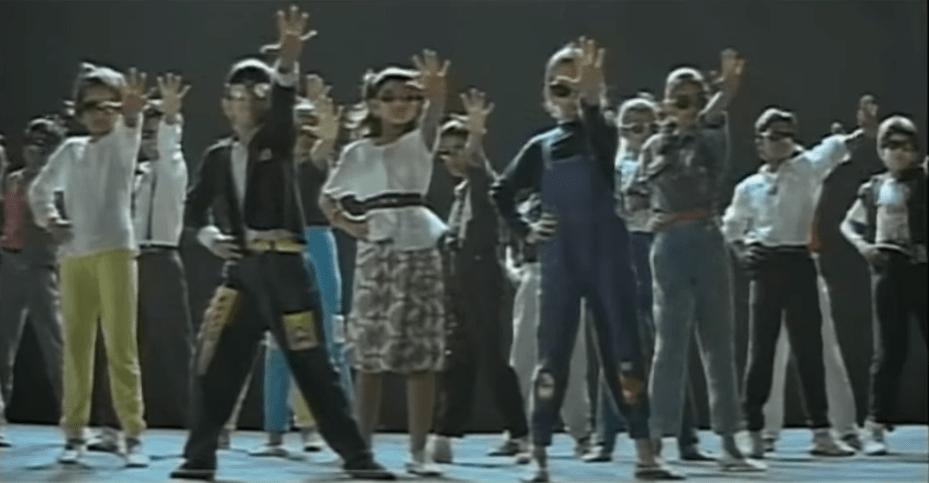
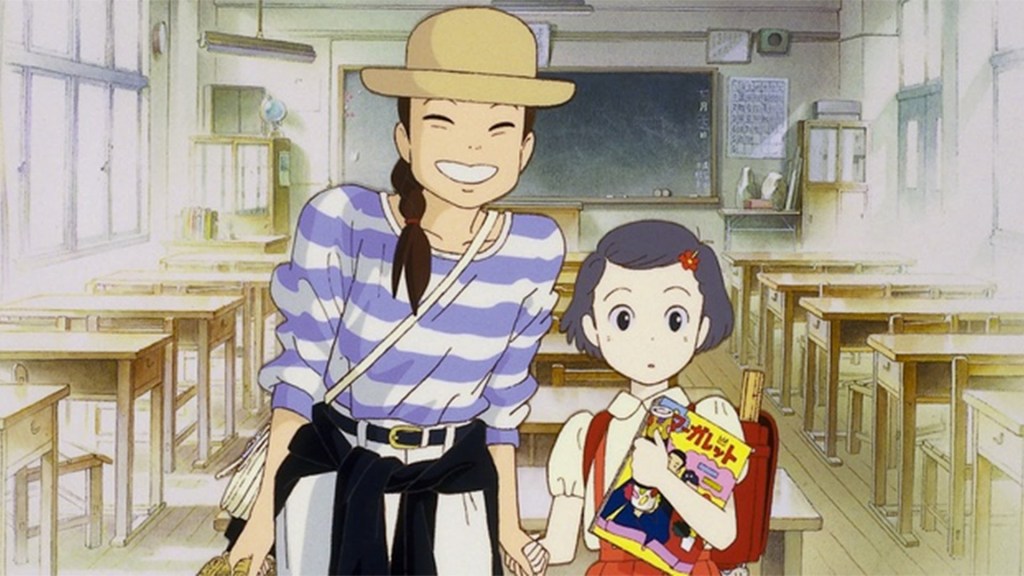
A child-like vibe spans the entire movie. The bubbliness of the leads and their chemistry being a contributing factor. I loved the depiction of the younger version of Sundar and Leela interacting with the adult versions at various points — like Takahata’s Only Yesterday . The Chiranjeevi style dance sequence with the younger Sundar was taking me back to the days of Maniratnam’s Anjali (1990) which was making stars out of the kids.

It was also a refreshing take to see how the characters work towards a solution then and there when a trouble crops up, not beating around the bush — say, when they open up about their religion they belong to, or even deciding to call the parents and tell the truth much earlier. In a conventional script, that is looking at how movies of similar nature have handled such sub-conflicts — all these could have gone on and on to be dealt together in the end.
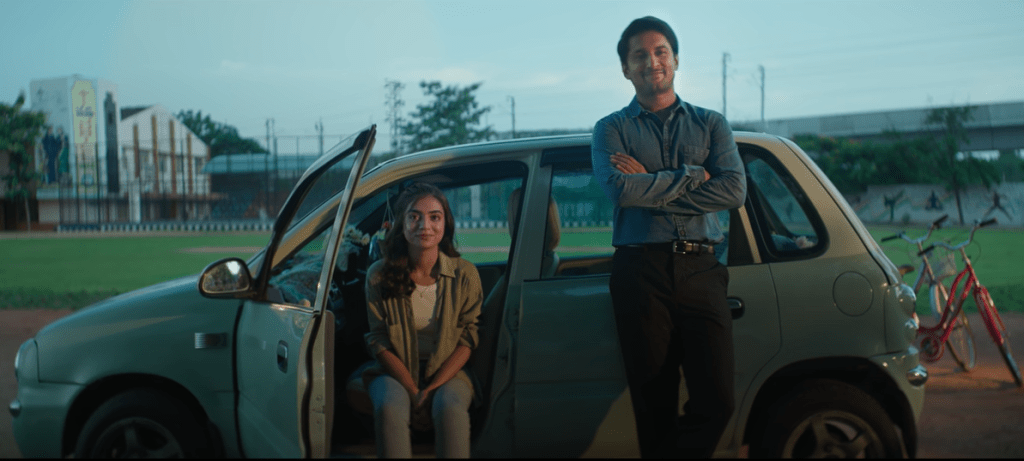
I just wish the running time was much shorter as the last leg kind of gets into a loop and unnecessarily drags when a character comes in and induces further confusion, which felt forced. And, this tradition vs humanity debate seems to be an eternal factor in these kinds of stories — primarily being the reason to even develop the story in the first place. As much as it is tiring to see this “character questioning the old school mentality towards the end” trope, it is also a sad reality that this is still a reflection of our very society and nothing much is changing.
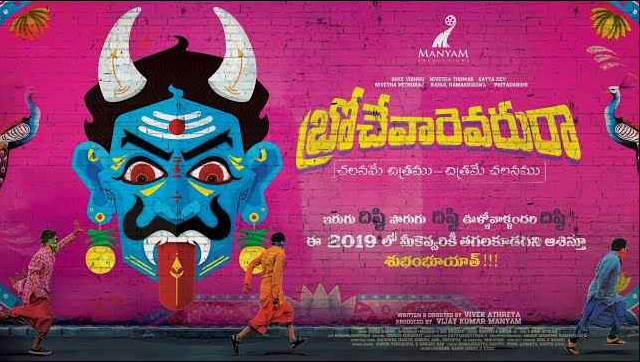
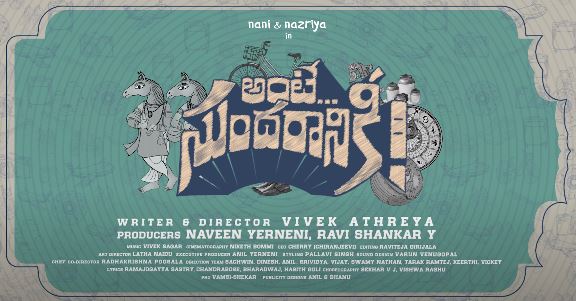
I feel Vivek Athreya’s movie experience starts right from observing the artistically rich posters — The beautifully placed symbols, the detailing, and the tone that pretty much sums up the entire movie. I think there will be something to notice every time we revisit this in the future — To start with, even the two horses in the Amelia Island Card that Sundar sends Leela seems to be resembling the Thathasthu Devathas in the photo frame hung in Sundar’s room…

Also, guess Vivek Athreya is a big time fan of K.Viswanath’s 1980 classic Sankarabharanam — Obviously naming a movie Brochevarevarura; having J.V.Somayajulu’s photo frame in Ante… Sundaraniki

 Cinema Paradesio